
🞪
Preview for applied filters×

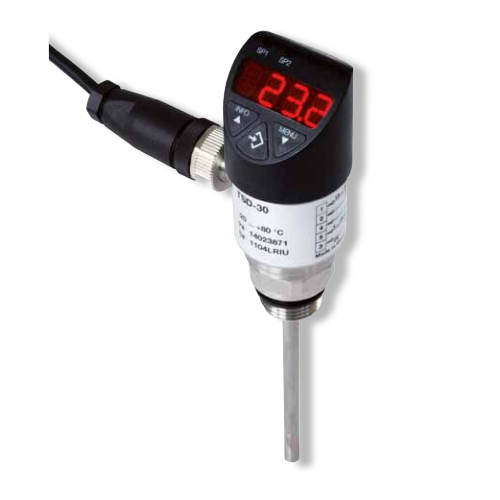
Temperature Switch
Temperature Switch
Temperature switches continuously monitor process temperature through an integrated sensing element. When the measured temperature reaches the configured set point, internal electrical contacts change state to initiate control actions such as activating alarms, starting cooling systems, stopping equipment, or triggering emergency shutdown procedures.
Available in mechanical and electronic configurations, temperature switches can be configured with adjustable switching points and differential settings to suit specific process requirements. Their versatile design enables installation across a wide range of industrial applications.
These devices are commonly installed on pipelines, tanks, heat exchangers, hydraulic systems, lubrication systems, and industrial machinery where temperature control and protection are required. Their rugged design ensures dependable operation under demanding industrial conditions.
With fast response characteristics, low maintenance requirements, and long service life, temperature switches provide a reliable solution for industrial temperature monitoring and protection systems.
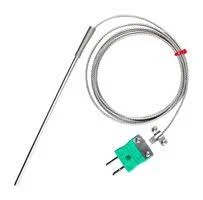
Thermocouple
Thermocouple
Thermocouples utilize the Seebeck effect, where a voltage is generated at the junction of two different metal alloys exposed to temperature variations. This voltage is measured and converted into a temperature value by connected instrumentation or control systems.
Available in various types such as J, K, T, N, R, S, and B, thermocouples can be selected according to temperature range, environment, and process requirements. Their design allows operation in applications involving extremely high temperatures that exceed the capabilities of many other sensor technologies.
Thermocouple assemblies often include protective thermowells, mineral insulated cables, and specialized sheath materials to enhance durability in corrosive and high-vibration environments.
With fast response times, broad temperature coverage, and proven industrial reliability, thermocouples remain one of the most widely used temperature measurement technologies worldwide.
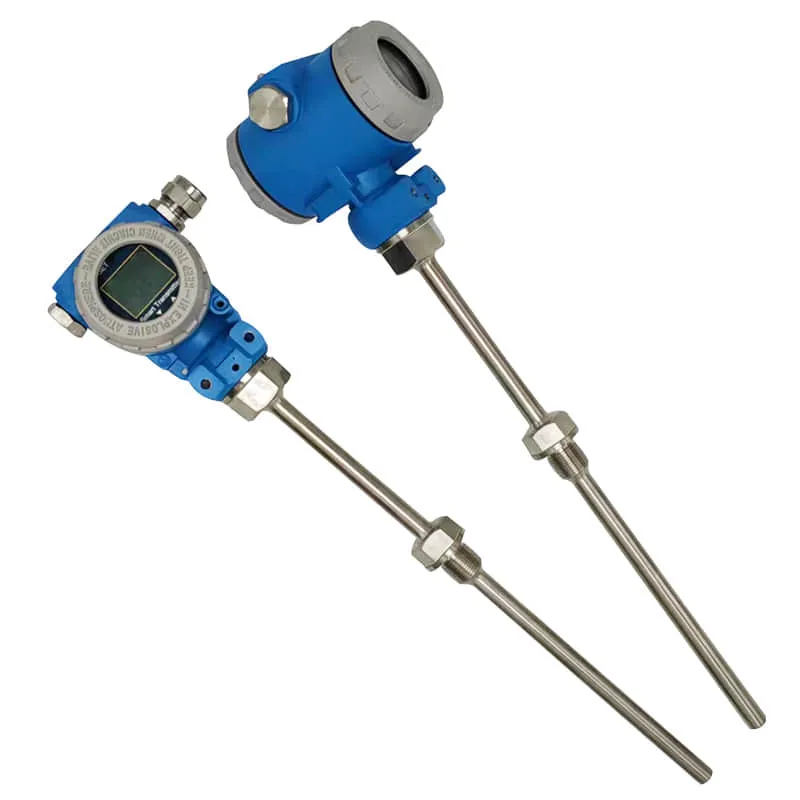
Temperature Transmitter
Temperature Transmitter
<span style="font-size: 16px;">Temperature transmitters receive low-level signals generated by RTD sensors or thermocouples and convert them into standardized outputs such as 4-20 mA or digital communication signals. This conversion enables reliable long-distance signal transmission without significant accuracy loss.</span>
<div>
Modern transmitters feature advanced microprocessor-based electronics that provide superior measurement accuracy, temperature compensation, sensor diagnostics, and communication capabilities. These features improve process reliability while reducing maintenance requirements.
The devices can be installed as head-mounted, rail-mounted, or field-mounted units depending on the application. Their rugged construction ensures reliable performance in harsh industrial environments involving vibration, humidity, and fluctuating process conditions.
With advanced diagnostics and easy integration into automation systems, temperature transmitters deliver accurate and dependable temperature measurement solutions for critical industrial operations.
</div>
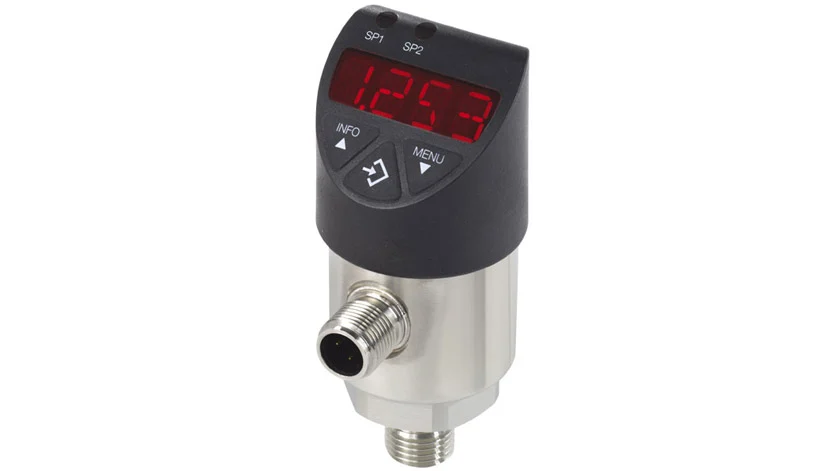
Pressure Switch
Pressure Switch
<span style="font-size: 16px;">Pressure switches continuously monitor process pressure and trigger electrical contacts when the pressure reaches a preset threshold. This switching action can start or stop pumps, activate alarms, shut down equipment, or initiate safety procedures.</span>
<div>
Designed for industrial reliability, pressure switches are available with adjustable set points, fixed set points, and differential switching functions. Their compact construction enables installation in space-constrained environments while maintaining dependable operation.
These devices are commonly used to protect pumps from dry running, control compressor operation, monitor hydraulic circuits, and provide overpressure protection for process equipment. Their simple operating principle ensures fast response and reliable performance.
Built using high-quality industrial materials, pressure switches offer long service life, minimal maintenance, and dependable operation in demanding industrial environments.
</div>
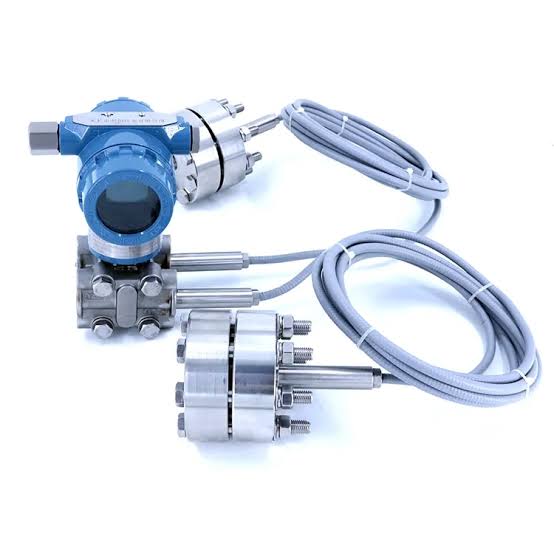
Differential Pressure Transmitter
Differential Pressure Transmitter
<span style="font-size: 16px;">Differential pressure transmitters measure the pressure difference between high-pressure and low-pressure ports. By comparing these pressure values, the transmitter provides precise differential pressure readings that can be used for various process measurements.</span>
<div>
One of the most common applications involves flow measurement using orifice plates, venturi tubes, and flow nozzles where differential pressure is directly related to flow rate. They are also frequently used for monitoring filter conditions and detecting blockages within process systems.
The transmitter's advanced sensor technology ensures highly accurate readings while compensating for temperature variations and environmental influences. Its robust construction allows installation in both indoor and outdoor industrial environments.
With excellent measurement stability, digital communication capabilities, and long operational life, differential pressure transmitters remain a crucial component in industrial instrumentation systems.
</div>
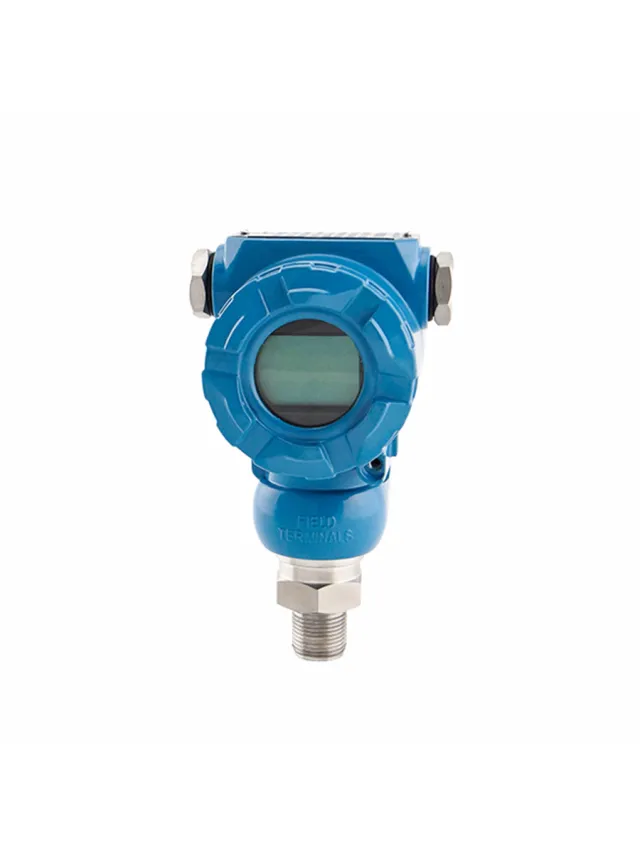
Pressure Transmitter
Pressure Transmitter
<span style="font-size: 16px;">Pressure transmitters utilize advanced sensing technologies such as piezoresistive or capacitive pressure sensors to detect process pressure. The measured value is converted into a standardized output signal, allowing operators to monitor and control processes remotely.</span>
<div>
Engineered for demanding industrial applications, pressure transmitters provide stable performance even under fluctuating temperatures, vibration, and challenging process conditions. Their digital electronics ensure accurate signal processing and long-term measurement stability.
These devices are typically installed on process pipelines, storage tanks, pumps, compressors, and hydraulic systems where real-time pressure monitoring is required. Their compatibility with HART and industrial communication protocols makes integration into plant automation systems simple and efficient.
With excellent accuracy, robust construction, and low maintenance requirements, pressure transmitters provide dependable operation for critical industrial processes.
</div>
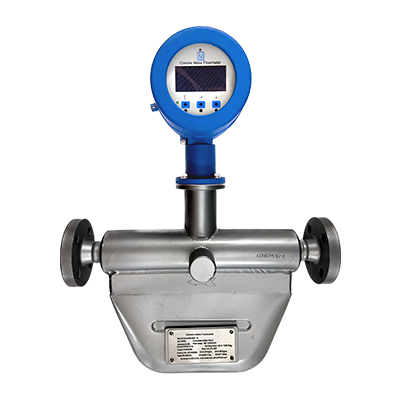
Coriolis Mass Flow Meter
Coriolis Mass Flow Meter
<span style="font-size: 16px;">The Coriolis Mass Flow Meter consists of one or more vibrating flow tubes through which the process fluid passes. As fluid moves through the vibrating tubes, Coriolis forces cause measurable tube deflection. Advanced sensors detect these changes and convert them into highly accurate mass flow measurements.</span>
<div>
Because the meter directly measures mass rather than volumetric flow, measurement accuracy remains unaffected by variations in temperature, pressure, density, or viscosity. This eliminates the need for external compensation devices and improves overall process accuracy.
Coriolis flow meters are commonly installed in chemical dosing systems, blending operations, custody transfer stations, batching processes, fuel monitoring applications, pharmaceutical manufacturing lines, and food processing facilities. Their capability to provide simultaneous measurements of mass flow, density, and temperature helps operators optimize production and improve process efficiency.
Built with advanced sensor technology and rugged construction materials, Coriolis flow meters offer exceptional reliability, long-term stability, and low maintenance. Their superior performance makes them one of the most trusted solutions for precision flow measurement in modern industrial operations.
</div>
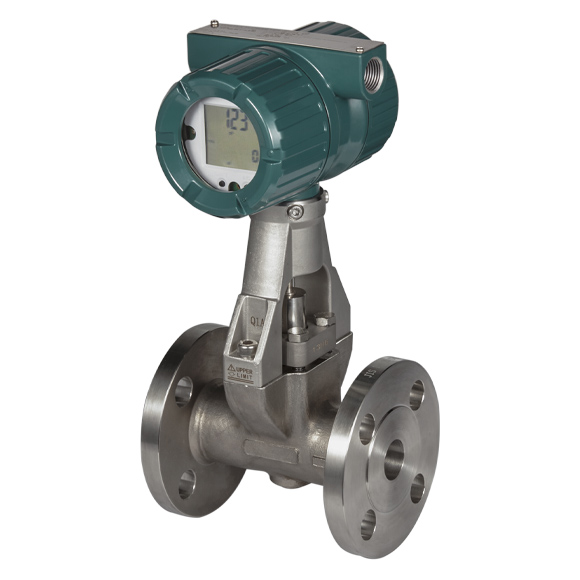
Vortex Flow Meter
Vortex Flow Meter
<span style="font-size: 16px;">The Vortex Flow Meter employs a fixed bluff body within the flow stream to create alternating vortices as fluid passes around it. Sensors detect the vortex frequency and convert it into flow measurement data that can be displayed locally or transmitted to plant control systems. This proven measuring principle delivers reliable and accurate results across a wide range of process conditions.</span>
<div>
Unlike mechanical flow meters, vortex flow meters contain no moving parts, significantly reducing wear and maintenance requirements. Their rugged construction allows continuous operation in harsh industrial environments involving high temperatures, elevated pressures, and challenging process conditions.
These instruments are commonly installed in steam systems, compressed air networks, water treatment plants, chemical production facilities, and energy management applications. Their ability to accurately measure liquids, gases, and saturated or superheated steam makes them a versatile option for many industrial processes.
With excellent long-term stability, minimal pressure loss, and advanced communication capabilities, vortex flow meters provide dependable performance for process monitoring, energy management, and industrial automation applications.
</div>
Turbine Flow Meter
Turbine Flow Meter
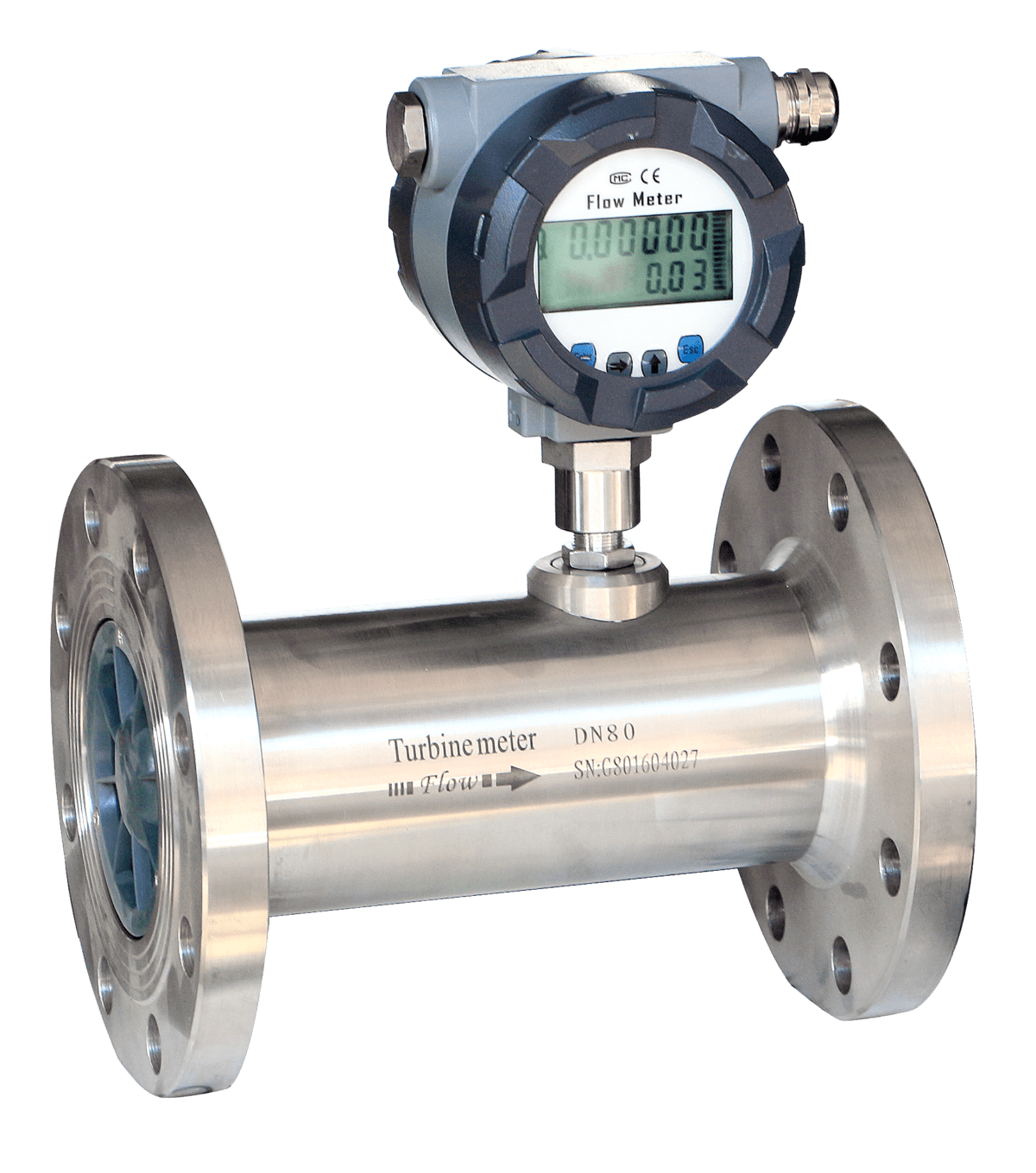
<span style="font-size: 16px;">The Turbine Flow Meter utilizes a multi-blade rotor positioned within the flow path. As the process fluid flows through the meter, it causes the rotor to rotate. The rotational speed is directly proportional to the fluid velocity, enabling accurate calculation of volumetric flow rates. A magnetic pickup or electronic sensor detects rotor movement and converts it into electrical signals for monitoring, recording, and control systems.</span>
<div>
Designed for demanding industrial environments, turbine flow meters are commonly installed in pipeline systems handling clean liquids, hydrocarbons, chemicals, fuels, water, and compressed gases. Their robust construction ensures reliable operation under varying pressure and temperature conditions while maintaining high levels of measurement precision.
The meter offers excellent repeatability and fast response to flow changes, making it suitable for batch processing, transfer operations, and real-time process control. Advanced electronic transmitters can provide pulse, frequency, and digital communication outputs for seamless integration into plant automation systems.
With minimal pressure loss, long operational life, and low maintenance requirements, turbine flow meters continue to be one of the most trusted solutions for industrial flow measurement applications where accuracy and reliability are critical.
</div>
Ultrasonic Flow Meter
Ultrasonic Flow Meter
<style>
a {<br /> text-decoration: none;<br /> color: #464feb;<br />}<br />tr th, tr td {<br /> border: 1px solid #e6e6e6;<br />}<br />tr th {<br /> background-color: #f5f5f5;<br />}<br /></style>
<div>
Electromagnetic Flow Meters are designed to provide accurate volumetric flow measurement of conductive liquids flowing through pipelines. Their obstruction-free measuring tube eliminates moving parts, minimizing wear and ensuring stable performance over long periods of operation. This design not only enhances reliability but also reduces maintenance requirements compared to traditional mechanical flow measurement technologies.
The meter generates a magnetic field across the measuring tube. As conductive liquid passes through this magnetic field, a voltage signal proportional to the flow velocity is produced and measured by internal electrodes. The transmitter then converts this signal into a precise flow rate output for process monitoring and control systems.
These flow meters are suitable for measuring a wide range of liquids including water, wastewater, chemicals, acids, alkalis, slurries, and other conductive process media. Their high measurement accuracy and dependable operation make them valuable in critical industrial applications where process efficiency and operational reliability are essential.
Built for industrial environments, electromagnetic flow meters are available with various lining materials, electrode options, communication outputs, and installation configurations to accommodate diverse process requirements and operating conditions.
</div>